Anti epoxy flooring details : Anti-epoxy flooring' can refer to two different things, so let's clarify:
- Flooring alternatives or coatings that resist or avoid epoxy use – usually due to concerns like chemical sensitivity, cost, or specific performance requirements.
- Epoxy flooring systems with anti-slip or anti-static features – often called 'anti-slip epoxy flooring' or 'anti-static epoxy flooring.'
Please clarify which one you're referring to, but here's a breakdown of both for context:
1. Alternatives to Epoxy Flooring (Anti-Epoxy Use Cases)
Some industries or individuals avoid epoxy flooring due to:
- VOC emissions during installation
- UV degradation (epoxy can yellow over time)
- Slippery when wet
- Long curing time
- Delamination on damp substrates
Common Anti-Epoxy Flooring Alternatives:
Flooring TypeKey BenefitsCommon UsesPolyurethane (PU)Flexible, UV-resistant, abrasion-resistantIndustrial kitchens, breweriesMethyl Methacrylate (MMA)Fast cure (even in cold), chemical resistantCold storage, food processingPolished ConcreteDurable, low maintenanceWarehouses, showroomsVinyl or PVC FlooringEasy to install, chemical-resistantLabs, healthcareCementitious UrethaneHighly thermal-shock resistantCommercial kitchens, food plants
2. Epoxy Flooring with Special 'Anti' Properties
A. Anti-Slip Epoxy Flooring
Purpose: Improves safety in wet, oily, or sloped areas.
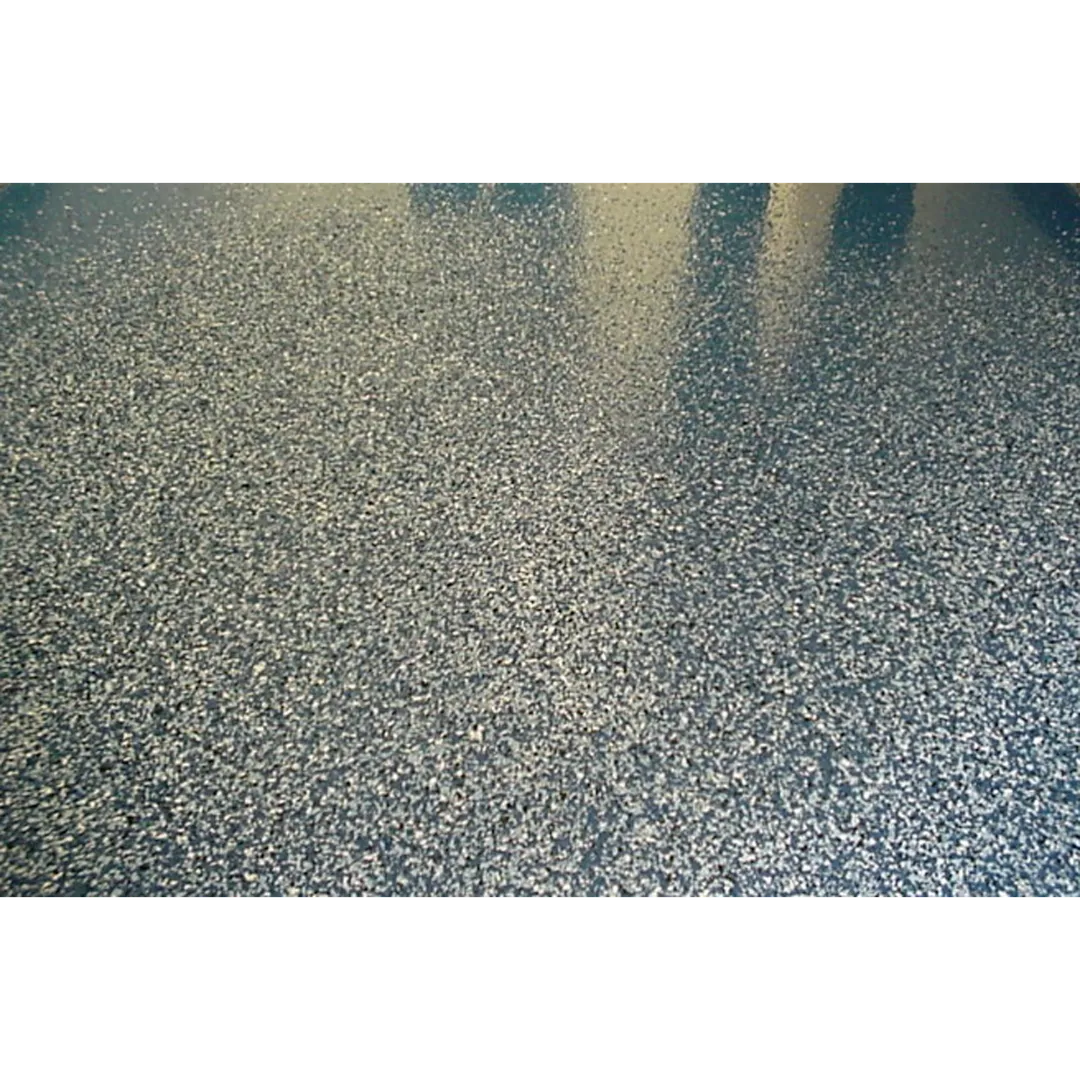
- Uses aggregates like quartz sand, aluminum oxide, or silica
- Installed as a broadcast layer into wet epoxy, then sealed
- Common in ramps, kitchens, factories
B. Anti-Static Epoxy Flooring (ESD Flooring)
Purpose: Dissipates static electricity, protecting sensitive electronics.
- Contains conductive materials (carbon or copper)
- Requires grounding via copper strips
- Used in data centers, electronics assembly, clean rooms
C. Anti-Bacterial Epoxy Coatings
Purpose: Prevents growth of bacteria and mold.
- Additives like silver-ion agents
- Used in hospitals, pharma, food industries
Typical Epoxy Flooring Layer Structure (for enhanced types):
- Surface Preparation: Grinding, shot blasting
- Primer Coat: Penetrates concrete, improves adhesion
- Base Epoxy Coat: Main layer (can be clear or pigmented)
- Broadcast Layer: Optional (for anti-slip or decorative quartz)
- Top Coat: UV-resistant polyurethane or anti-static top coat
Email : www.bechennai.com, Mobile no: 888 333 33 22.
Keywords