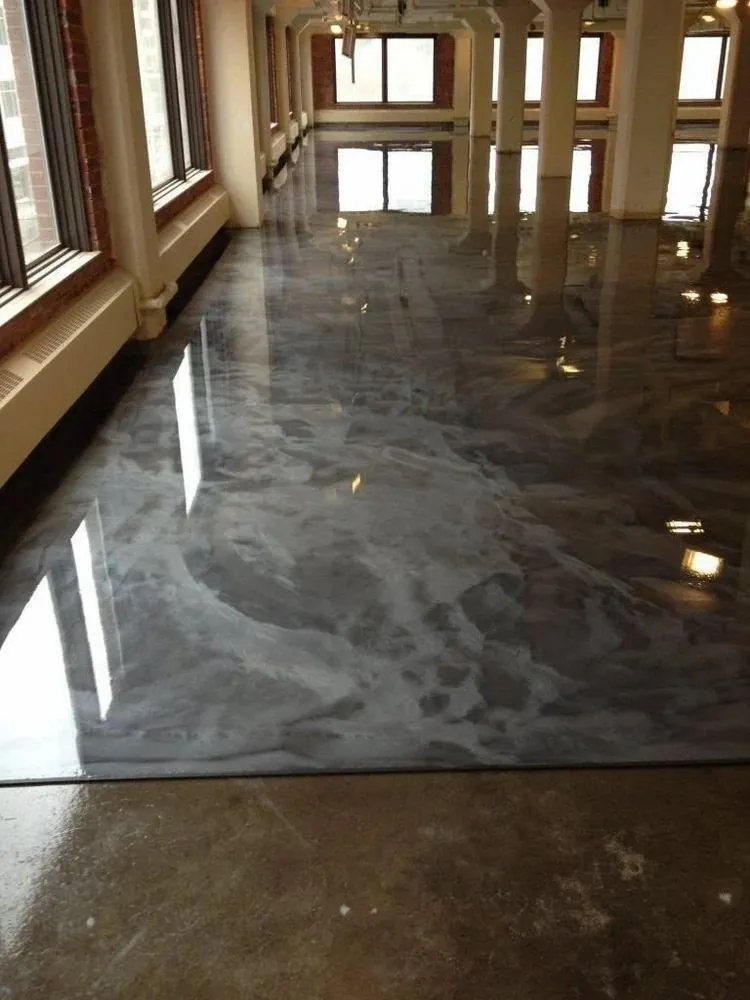
Epoxy flooring : Epoxy flooring is a type of durable, long-lasting flooring system made from a mixture of resin and hardener that forms a solid, smooth, and often shiny surface when cured. It's commonly used in both residential and commercial settings due to its strength, resistance to chemicals, ease of maintenance, and aesthetic appeal. Here's a breakdown of the key features of epoxy flooring:
Key Benefits of Epoxy Flooring:
- Durability: Epoxy floors are highly resistant to wear, making them ideal for high-traffic areas like garages, warehouses, and factories.
- Chemical Resistance: They resist spills from oils, chemicals, and other substances, making them suitable for workshops, laboratories, and industrial settings.
- Low Maintenance: Epoxy floors are easy to clean and maintain, often requiring just regular sweeping or mopping.
- Aesthetic Variety: Epoxy can be customized in various colors, patterns, and finishes, including glossy, matte, or textured surfaces.
- Safety: Epoxy flooring can be made slip-resistant with the addition of special additives, making it a safer option in areas prone to wet conditions.
- Cost-Effective: Compared to other flooring options like tile or hardwood, epoxy is often more affordable and has a longer lifespan when properly maintained.
Applications of Epoxy Flooring:
- Garages: A popular choice due to its resistance to chemicals like oil and grease.
- Commercial and Industrial Spaces: Warehouses, factories, and showrooms often use epoxy due to its durability and low maintenance.
- Hospitals and Clean Rooms: Easy to clean and sanitize, making it ideal for medical environments.
- Residential Spaces: Increasingly being used in homes for kitchens, basements, or even living rooms due to its sleek look.
Installation Process:
- Surface Preparation: The floor must be cleaned, and any existing coatings or sealants are removed. This step is crucial for ensuring proper adhesion.
- Priming: A primer coat may be applied to improve adhesion between the floor and the epoxy.
- Mixing Epoxy: The resin and hardener are mixed together according to the manufacturer’s instructions.
- Applying Epoxy: The epoxy mixture is poured onto the floor and spread evenly using tools like rollers or squeegees.
- Curing: After application, the epoxy needs time to cure. This can take several hours to days, depending on the thickness and environmental conditions.
Considerations:
- Preparation Time: The process requires thorough surface cleaning and may take several days to complete, depending on the size of the space.
- Temperature Sensitivity: Epoxy cures best in warm temperatures, so extreme cold or humidity can affect the results.
- Professional Installation: While DIY kits are available, professional installation is recommended for optimal results and durability.
www.bechennai.com. Mobile no : 888 333 33 22.
Keywords