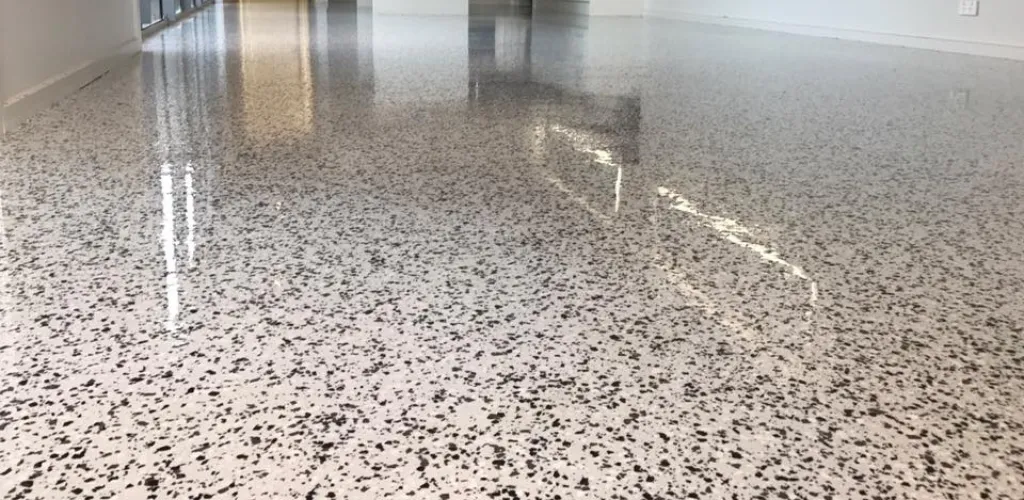
Industrial Facilities: Epoxy flooring is widely used in warehouses, factories, and manufacturing plants because it can withstand heavy traffic, impacts, and chemicals.
Commercial Spaces: Retail stores, showrooms, and restaurants benefit from epoxy flooring's aesthetic appeal and easy maintenance, helping create a polished look.
Garages: Homeowners often choose epoxy for garage floors because it resists stains, spills, and abrasions, making it ideal for vehicles and tools.
Hospitals and Laboratories: Its seamless surface and antimicrobial properties make epoxy flooring a good choice for healthcare facilities, where cleanliness is critical.
Food and Beverage Facilities: Epoxy flooring can meet sanitary requirements, is easy to clean, and can resist chemicals commonly found in food processing environments.
Educational Institutions: Schools and universities often use epoxy flooring in classrooms and common areas for its durability and ease of maintenance.
Residential Areas: Epoxy is increasingly used in homes for basements, kitchens, and living spaces due to its aesthetic versatility and longevity.
Showrooms and Galleries: The glossy finish of epoxy flooring can enhance the presentation of products and artwork, making it popular in these environments.
Parking Lots and Garages: Epoxy can be applied to enhance visibility and protect surfaces from the wear and tear of vehicles.
Outdoor Spaces: Certain epoxy formulations are suitable for patios and decks, offering resistance to weather elements and UV rays.
Overall, epoxy flooring is valued for its durability, low maintenance, and customizable appearance, making it a popular choice across many sectors.
Keywords