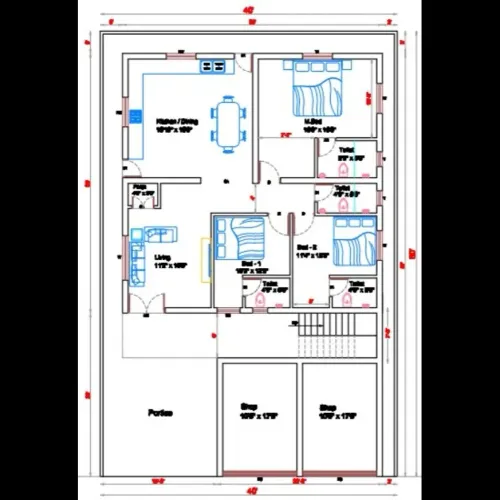
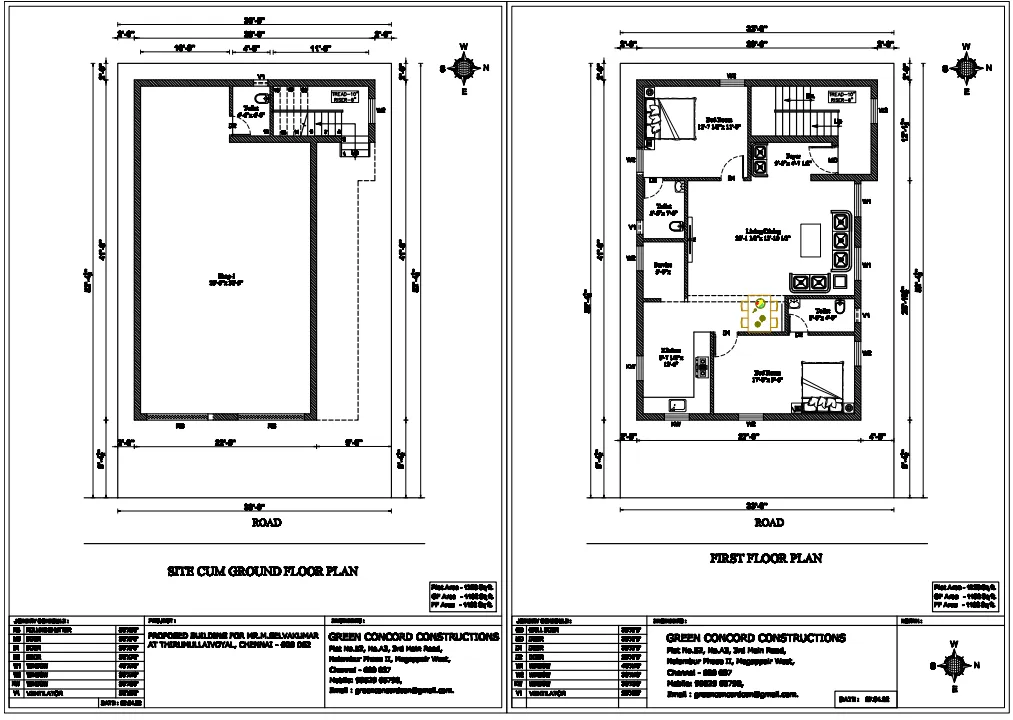
Scheme Plan:Building plans are essential tools in the architecture, engineering, and construction industries. They serve various purposes throughout the design and construction process. Here are some key uses of building plans:
1. Design Visualization
- Conceptualization: Building plans provide a visual representation of a project, helping architects and designers conceptualize the layout and design elements.
- Client Communication: Plans help communicate design ideas to clients, ensuring everyone is aligned on the project's vision.
2. Regulatory Compliance
- Permitting: Building plans are often required for obtaining permits from local authorities, ensuring compliance with zoning laws, building codes, and safety regulations.
- Inspections: Authorities use building plans during inspections to verify that construction adheres to approved designs and safety standards.
3. Construction Guidance
- Detailed Instructions: Plans provide detailed specifications for construction teams, outlining dimensions, materials, and methods needed for building.
- Coordination: They facilitate communication and coordination among various contractors and subcontractors, ensuring everyone is on the same page.
4. Cost Estimation
- Budgeting: Building plans help estimators calculate costs accurately by providing detailed information on materials, quantities, and labor requirements.
- Financial Planning: Clients can use the plans to develop budgets and secure financing based on accurate project estimates.
5. Space Planning
- Efficiency: Plans allow for effective space planning, helping to optimize the layout for functionality and flow within the building.
- Accessibility: They ensure compliance with accessibility standards, making spaces usable for individuals with disabilities.
6. Project Management
- Timeline Development: Building plans aid in creating project timelines and milestones, helping to manage the construction schedule effectively.
- Resource Allocation: They help project managers allocate resources efficiently, including labor, materials, and equipment.
7. Future Modifications
- Renovation Planning: Detailed building plans serve as a reference for future renovations or expansions, providing a clear understanding of existing structures.
- Maintenance: Plans can help maintenance teams understand building layouts, facilitating repairs and upgrades.
8. Marketing and Sales
- Promotional Tools: Building plans can be used in marketing materials to showcase properties to potential buyers or tenants, highlighting key features and layouts.
- Showings: They assist in property showings, helping clients visualize the space and its potential.
Conclusion
Building plans are integral to the successful execution of construction projects, serving multiple purposes from design and compliance to project management and marketing. Their importance spans the entire lifecycle of a building, making them essential tools for architects, engineers, contractors, and clients alike.
Keywords