Types of Synthetic Sports Floors
Polyurethane: Known for its durability and shock absorption, polyurethane floors are often used in indoor sports facilities, such as gyms and arenas.
Vinyl: Common in multi-purpose sports facilities, vinyl flooring offers a smooth surface that's easy to clean and maintain. It's suitable for activities like basketball, volleyball, and gymnastics.
Rubber: Often used in weight rooms, gyms, and outdoor courts, rubber flooring provides excellent shock absorption and slip resistance.
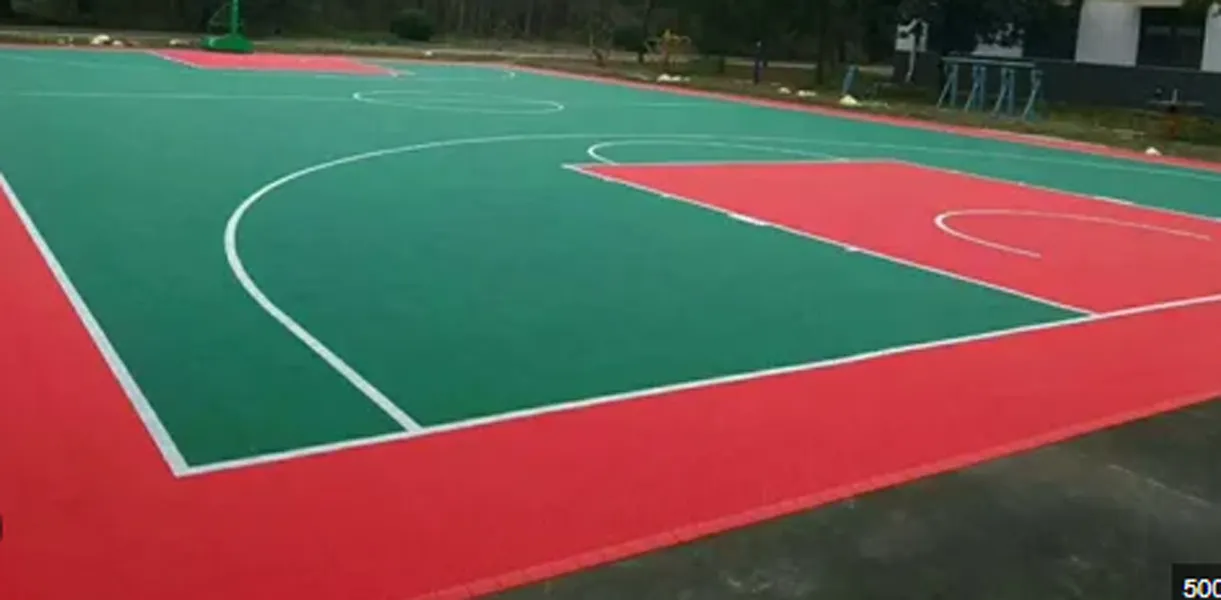
Acrylic: Typically used for outdoor courts (like tennis and basketball), acrylic surfaces are durable and weather-resistant, with good traction.
Key Features
Shock Absorption: Many synthetic sports floors are designed to reduce impact on joints, minimizing the risk of injuries.
Traction: The surfaces are engineered to provide optimal grip, enhancing player performance while reducing slips and falls.
Durability: Synthetic flooring is resistant to wear, tear, and moisture, making it suitable for high-traffic areas.
Easy Maintenance: These floors are often easy to clean and maintain, requiring simple sweeping and mopping.
Customizable Designs: Available in various colors and patterns, synthetic sports floors can be customized to fit the branding of a facility or the specific needs of a sport.
Installation
- Subfloor Preparation: Proper subflooring is essential to ensure a level surface and optimal performance.
- Adhesives: The type of adhesive used will depend on the flooring material and the specific application.
- Surface Coating: Some synthetic floors may require a protective coating to enhance durability and performance.
Applications
- Indoor Sports Facilities: Gyms, basketball courts, and multi-purpose arenas.
- Outdoor Sports: Tennis courts, running tracks, and playing fields.
- Fitness Centers: Weight rooms, aerobics studios, and dance floors.
Maintenance
- Regular cleaning and occasional deep cleaning are necessary to maintain the integrity and appearance of the flooring.
- Inspecting for wear and tear, especially in high-traffic areas, helps extend the lifespan of the floor.
Benefits
- Enhanced player safety and performance.
- Customization to fit specific sports and aesthetic needs.
- Long-term cost-effectiveness due to durability and low maintenance.
Synthetic sports flooring is a versatile and effective solution for various athletic environments, enhancing both performance and safety. If you have specific questions or need more detailed information, feel free to ask!
Keywords