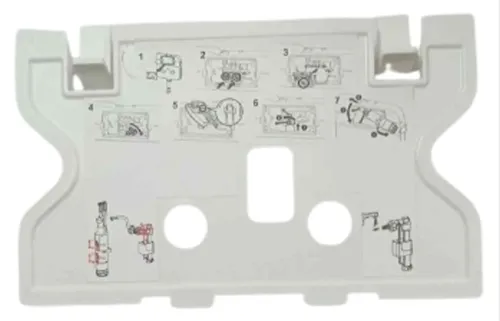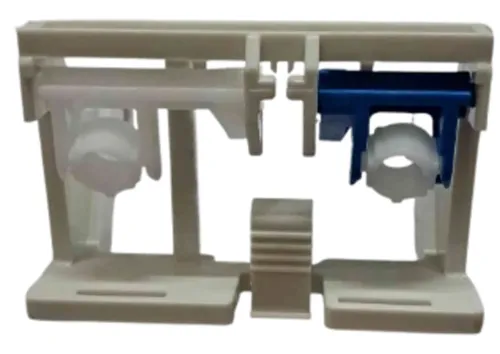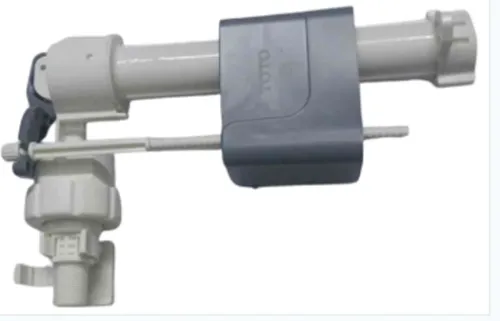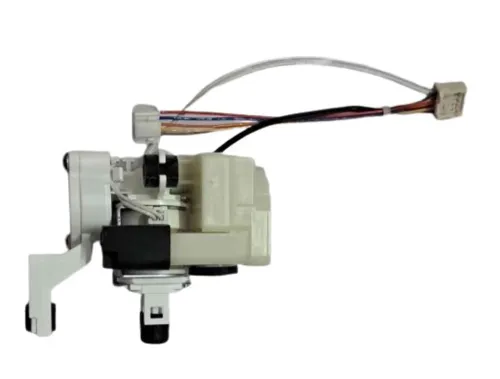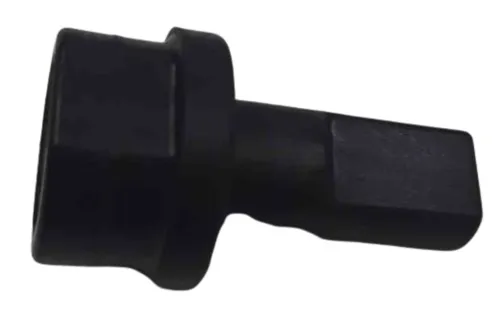
TOTO SPARES, TOTO PARTS, TOTO SPARE PARTS, Pressure control for sanitation refers to the regulation and maintenance of pressure levels within a sanitation system to ensure effective operation and hygiene standards. This control is critical in various industries such as food processing, pharmaceuticals, healthcare facilities, and more, where maintaining cleanliness and preventing contamination are paramount.
Here's a description of the typical elements and procedures involved in pressure control for sanitation:
Pressure Monitoring: The process starts with monitoring pressure levels within the sanitation system. This can be done using pressure sensors or gauges strategically placed throughout the system.
Set Point Adjustment: Based on regulatory requirements or internal standards, a set point for pressure is determined. This set point indicates the desired pressure level within the system.
Control Mechanism: A control mechanism, often a programmable logic controller (PLC) or a similar system, is employed to regulate pressure levels. This mechanism receives input from pressure sensors and adjusts system components accordingly to maintain pressure within the desired range.
Valve Control: Valves play a crucial role in pressure control. Pressure-regulating valves are utilized to modulate flow rates and adjust pressure levels as needed. These valves can be manually operated or automated, depending on the complexity and requirements of the system.
Feedback Loop: The control system continuously monitors pressure levels and compares them to the set point. Any deviation from the set point triggers corrective action to bring pressure back within the desired range.
Alarm Systems: In case of significant deviations from the set point or any malfunction in the control system, alarms are activated to alert operators. This ensures prompt attention and resolution of issues to prevent compromise in sanitation standards.
Maintenance and Calibration: Regular maintenance and calibration of pressure sensors, valves, and control systems are essential to ensure accuracy and reliability in pressure control operations. This includes routine inspections, cleaning, and calibration procedures as per manufacturer recommendations.
Safety Measures: Safety features such as pressure relief valves are incorporated into the system to prevent over-pressurization and ensure the safety of equipment and personnel.
Documentation and Compliance: Detailed records of pressure control operations, including pressure readings, maintenance activities, and any deviations from set points, are maintained to comply with regulatory requirements and internal quality standards.
Overall, effective pressure control for sanitation involves a combination of monitoring, regulation, automation, and maintenance procedures to uphold hygiene standards and ensure the integrity of the sanitation system.
TOTO flush valve replacement, TOTO fill valve repair kit, TOTO toilet flapper replacement, TOTO bidet nozzle parts, TOTO faucet cartridge, TOTO shower diverter valve, TOTO sink drain assembly, TOTO tub spout replacement, TOTO toilet seat hinge bolts, TOTO valve seal kit, TOTO handle replacement, TOTO O-ring set, TOTO gasket washer kit, TOTO inlet valve assembly, TOTO aerator adapter in KARNOOL.
Here's a description of the typical elements and procedures involved in pressure control for sanitation:
Pressure Monitoring: The process starts with monitoring pressure levels within the sanitation system. This can be done using pressure sensors or gauges strategically placed throughout the system.
Set Point Adjustment: Based on regulatory requirements or internal standards, a set point for pressure is determined. This set point indicates the desired pressure level within the system.
Control Mechanism: A control mechanism, often a programmable logic controller (PLC) or a similar system, is employed to regulate pressure levels. This mechanism receives input from pressure sensors and adjusts system components accordingly to maintain pressure within the desired range.
Valve Control: Valves play a crucial role in pressure control. Pressure-regulating valves are utilized to modulate flow rates and adjust pressure levels as needed. These valves can be manually operated or automated, depending on the complexity and requirements of the system.
Feedback Loop: The control system continuously monitors pressure levels and compares them to the set point. Any deviation from the set point triggers corrective action to bring pressure back within the desired range.
Alarm Systems: In case of significant deviations from the set point or any malfunction in the control system, alarms are activated to alert operators. This ensures prompt attention and resolution of issues to prevent compromise in sanitation standards.
Maintenance and Calibration: Regular maintenance and calibration of pressure sensors, valves, and control systems are essential to ensure accuracy and reliability in pressure control operations. This includes routine inspections, cleaning, and calibration procedures as per manufacturer recommendations.
Safety Measures: Safety features such as pressure relief valves are incorporated into the system to prevent over-pressurization and ensure the safety of equipment and personnel.
Documentation and Compliance: Detailed records of pressure control operations, including pressure readings, maintenance activities, and any deviations from set points, are maintained to comply with regulatory requirements and internal quality standards.
Overall, effective pressure control for sanitation involves a combination of monitoring, regulation, automation, and maintenance procedures to uphold hygiene standards and ensure the integrity of the sanitation system.
TOTO flush valve replacement, TOTO fill valve repair kit, TOTO toilet flapper replacement, TOTO bidet nozzle parts, TOTO faucet cartridge, TOTO shower diverter valve, TOTO sink drain assembly, TOTO tub spout replacement, TOTO toilet seat hinge bolts, TOTO valve seal kit, TOTO handle replacement, TOTO O-ring set, TOTO gasket washer kit, TOTO inlet valve assembly, TOTO aerator adapter in KARNOOL.
Keywords