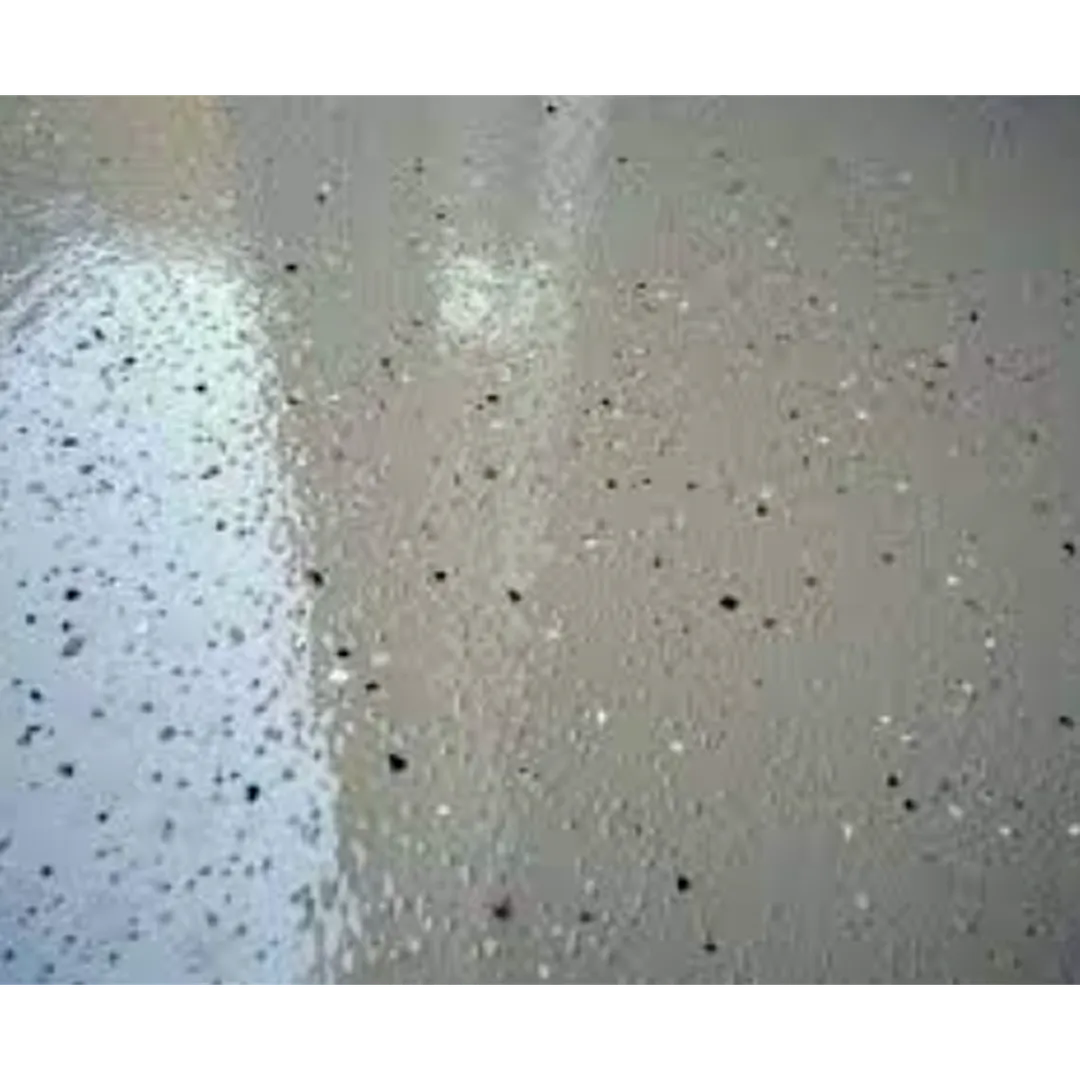
Anti epoxy flooring : Anti-epoxy flooring generally refers to flooring systems that resist epoxy adhesion or are designed to offer advantages over standard epoxy coatings in certain industrial or commercial applications. However, the term can also be interpreted as flooring systems that are alternatives to epoxy flooring or are treated to prevent epoxy from bonding, depending on the context.
Here’s a detailed breakdown depending on the interpretation:
✅ 1. Anti-Epoxy Treated Surfaces (Epoxy-Resistant Coatings or Barriers)
These are surfaces or floor systems where epoxy should not bond—often used in:
- Areas requiring temporary protection.
- Mold-making or release applications.
- Floors that require non-stick properties for epoxy materials.
Characteristics:
- Coated with release agents or non-stick materials.
- Used in construction, shipbuilding, or composites manufacturing.
- Prevent epoxy contamination in cleanroom environments.
✅ 2. Alternatives to Epoxy Flooring ('Anti-Epoxy' as a Choice)
In this case, 'anti-epoxy' flooring refers to alternative systems used where epoxy floors are not suitable:
🔹 Polyurethane Flooring
- More flexible than epoxy.
- Better UV stability (won’t yellow).
- Excellent for freezers and temperature-variable environments.
🔹 MMA (Methyl Methacrylate) Flooring
- Fast-curing (can cure in under 2 hours).
- Suitable for cold environments.
- Chemical-resistant and ideal for industrial use.
🔹 Cementitious Urethane (PU Concrete)
- Very durable and chemical resistant.
- Performs well under extreme thermal shock.
- Common in food and beverage processing industries.
🔹 Vinyl or PVC Tiles
- Easier to install and replace.
- Less chemical resistance than epoxy but suitable for commercial spaces.
✅ 3. Limitations of Epoxy (Why Choose Anti-Epoxy Options?)
- Slippery when wet unless textured.
- UV-sensitive (can discolor over time).
- Curing time can be long (up to 7 days).
- Can be brittle and prone to cracking on shifting substrates.
✅ Applications Where Anti-Epoxy Flooring is Preferred
- Cold storage rooms (where epoxy may become brittle).
- UV-exposed areas (where discoloration is a concern).
- Wet processing plants (slip resistance required).
- High-impact environments (like warehouses).
Email : www.bechennai.com, Mobile no : 888 333 33 22.
Keywords