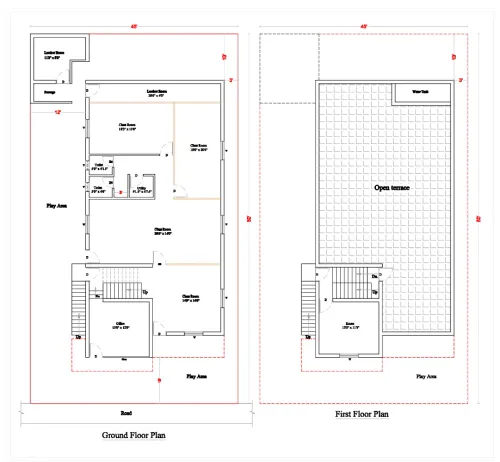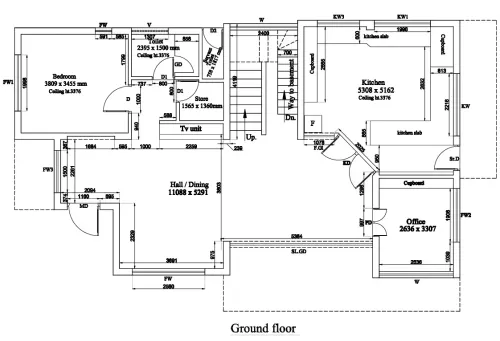
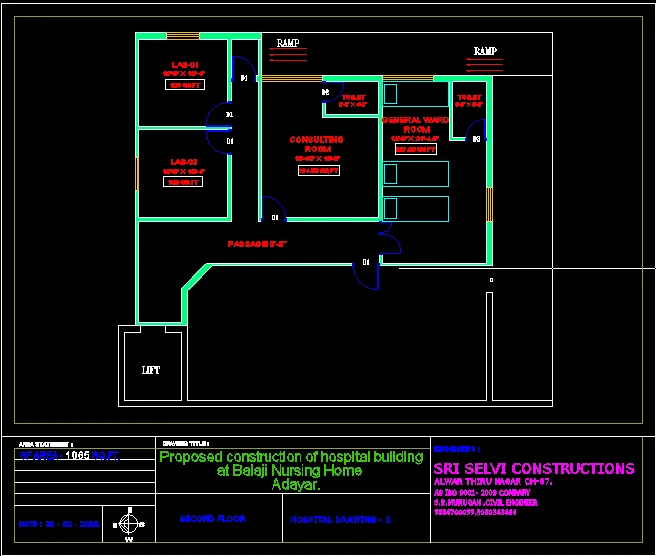
Nursing home building plan : Designing or constructing a nursing home building requires careful consideration of a variety of factors to ensure the safety, comfort, and well-being of its residents. Nursing homes, also known as long-term care facilities or skilled nursing facilities (SNFs), are designed to provide care for elderly individuals or those with disabilities who require assistance with daily activities or medical care. Below is a detailed guide on what goes into the design, features, and considerations for building a nursing home.
1. General Layout and Design Considerations:
Space Planning:
Private and Semi-private Rooms: Nursing homes typically offer a combination of private and semi-private rooms for residents. Private rooms provide privacy and personal space, while semi-private rooms help maximize the available space.
Common Areas: In addition to the bedrooms, nursing homes must have large communal areas, including living rooms, dining areas, lounges, and recreational spaces. These should be easily accessible and designed for socialization and activities.
Nursing Stations: Staff stations should be centrally located, so caregivers can easily access the rooms and attend to residents as needed.
Accessibility:
Wide Doorways and Hallways: The building should have wide, wheelchair-accessible hallways and doorways to accommodate mobility aids such as walkers and wheelchairs.
Elevators: Multiple elevators must be present to assist residents and staff in moving between floors, especially for those with limited mobility.
Non-Slip Floors: Flooring materials should be non-slip to reduce the risk of falls, and they should also be easy to clean and maintain.
Building Layout Design:
Zoning: The layout should separate areas for different functions, such as dining rooms, recreational areas, medical treatment rooms, and staff offices, while ensuring easy access for residents and staff.
Natural Lighting: Large windows and skylights should be incorporated to allow natural light to penetrate deep into the building, improving residents' mood and creating a more comfortable environment.
Outdoor Spaces: A secure outdoor garden or patio is important to allow residents to enjoy fresh air and engage in physical activity. It should be easily accessible and well-fenced to ensure safety.
2. Safety and Comfort:
Safety Features:
Emergency Systems: The building must be equipped with a reliable fire alarm system, smoke detectors, sprinkler systems, and emergency exits.
Nurse Call Systems: Each resident’s room should have a nurse call system for emergency assistance. Staff should be able to respond quickly to any request or emergency.
Handrails and Grab Bars: Hallways, bathrooms, and shower areas must be equipped with handrails and grab bars to assist with mobility and prevent falls.
Comfort Features:
Temperature Control: A comfortable indoor climate is crucial, so the facility should have an efficient HVAC system that allows residents to control the temperature in their rooms.
Soundproofing: Noise levels should be kept low, with soundproofing materials used to ensure a peaceful and quiet environment, reducing stress and disturbances for residents.
Furniture: Furniture should be ergonomic, supportive, and easy to clean. Beds, chairs, and tables must be designed for comfort and durability.
3. Healthcare and Medical Facilities:
Medical Rooms: The facility should have dedicated spaces for healthcare services, such as physical therapy rooms, examination rooms, and storage for medical equipment and supplies.
24/7 Medical Care: Nursing homes require around-the-clock medical care. This includes having staff available at all times, as well as regular medical checkups, personal care assistance, and emergency services when needed.
Pharmacy and Medication Management: A dedicated area for storing and managing medication is essential. This area should be secure and organized to prevent errors and ensure safe medication distribution.
Laundry and Sanitation Areas: There must be dedicated areas for laundering linens and ensuring the proper cleaning and sanitation of medical equipment, clothing, and other items.
4. Staff Areas and Administrative Spaces:
Offices for Staff: Administrative offices, meeting rooms, and staff lounges are important for daily operations and staff well-being.
Break Rooms: Staff needs designated break rooms to rest during their shifts.
Training Rooms: Regular training for staff is important for keeping them up-to-date on health protocols, CPR, and other skills. A small training room or space should be provided.
5. Regulations and Compliance:
ADA Compliance: The facility must comply with the Americans with Disabilities Act (ADA) to ensure accessibility for all residents and staff, including those with physical disabilities.
Healthcare Regulations: Local and national healthcare regulations must be followed. This includes compliance with guidelines set by organizations like the Centers for Medicare & Medicaid Services (CMS) in the United States or similar regulatory bodies in other countries.
Safety Codes: The building must adhere to strict health and safety codes, such as fire safety, electrical, and plumbing standards.
6. Sustainability and Energy Efficiency:
Energy-Efficient Systems: Consider integrating energy-efficient HVAC systems, LED lighting, solar panels, and other sustainable building technologies to reduce energy consumption and operating costs.
Water Conservation: Implement low-flow fixtures, water-saving appliances, and landscaping that requires minimal water to create a more eco-friendly facility.
Green Building Materials: Consider using eco-friendly materials such as non-toxic paints, recycled flooring, and sustainable building materials to reduce environmental impact.
7. Interior Design:
Color and Décor: The color scheme and interior design should create a warm, welcoming atmosphere. Soft, neutral colors can reduce stress, while decorative elements like artwork, plants, and comfortable furniture can enhance the environment.
Wayfinding: Clear signage and visual cues help residents and visitors navigate the facility. This can be particularly important for residents with cognitive impairments, such as dementia.
8. Technology Integration:
Telemedicine: The use of telemedicine technology can be beneficial for remote consultations with healthcare professionals, reducing the need for transportation and improving care efficiency.
Smart Home Features: Smart sensors can monitor the health and safety of residents, alerting staff if there are falls or other emergency situations.
Entertainment and Communication: Provide access to television, internet, and entertainment systems for residents to stay connected with the outside world and engage in recreational activities.
Conclusion:
A nursing home building is much more than just a place to stay—it is a specialized environment that supports residents' physical, emotional, and social well-being. The design and construction must prioritize accessibility, safety, comfort, and medical care, while also providing a homely and welcoming atmosphere. Careful planning of the layout, attention to regulatory standards, and integration of sustainable practices can ensure that the nursing home meets the needs of its residents and supports staff in delivering high-quality care. Mobile no : 888 333 33 22. www.bechennai.com.
1. General Layout and Design Considerations:
Space Planning:
Private and Semi-private Rooms: Nursing homes typically offer a combination of private and semi-private rooms for residents. Private rooms provide privacy and personal space, while semi-private rooms help maximize the available space.
Common Areas: In addition to the bedrooms, nursing homes must have large communal areas, including living rooms, dining areas, lounges, and recreational spaces. These should be easily accessible and designed for socialization and activities.
Nursing Stations: Staff stations should be centrally located, so caregivers can easily access the rooms and attend to residents as needed.
Accessibility:
Wide Doorways and Hallways: The building should have wide, wheelchair-accessible hallways and doorways to accommodate mobility aids such as walkers and wheelchairs.
Elevators: Multiple elevators must be present to assist residents and staff in moving between floors, especially for those with limited mobility.
Non-Slip Floors: Flooring materials should be non-slip to reduce the risk of falls, and they should also be easy to clean and maintain.
Building Layout Design:
Zoning: The layout should separate areas for different functions, such as dining rooms, recreational areas, medical treatment rooms, and staff offices, while ensuring easy access for residents and staff.
Natural Lighting: Large windows and skylights should be incorporated to allow natural light to penetrate deep into the building, improving residents' mood and creating a more comfortable environment.
Outdoor Spaces: A secure outdoor garden or patio is important to allow residents to enjoy fresh air and engage in physical activity. It should be easily accessible and well-fenced to ensure safety.
2. Safety and Comfort:
Safety Features:
Emergency Systems: The building must be equipped with a reliable fire alarm system, smoke detectors, sprinkler systems, and emergency exits.
Nurse Call Systems: Each resident’s room should have a nurse call system for emergency assistance. Staff should be able to respond quickly to any request or emergency.
Handrails and Grab Bars: Hallways, bathrooms, and shower areas must be equipped with handrails and grab bars to assist with mobility and prevent falls.
Comfort Features:
Temperature Control: A comfortable indoor climate is crucial, so the facility should have an efficient HVAC system that allows residents to control the temperature in their rooms.
Soundproofing: Noise levels should be kept low, with soundproofing materials used to ensure a peaceful and quiet environment, reducing stress and disturbances for residents.
Furniture: Furniture should be ergonomic, supportive, and easy to clean. Beds, chairs, and tables must be designed for comfort and durability.
3. Healthcare and Medical Facilities:
Medical Rooms: The facility should have dedicated spaces for healthcare services, such as physical therapy rooms, examination rooms, and storage for medical equipment and supplies.
24/7 Medical Care: Nursing homes require around-the-clock medical care. This includes having staff available at all times, as well as regular medical checkups, personal care assistance, and emergency services when needed.
Pharmacy and Medication Management: A dedicated area for storing and managing medication is essential. This area should be secure and organized to prevent errors and ensure safe medication distribution.
Laundry and Sanitation Areas: There must be dedicated areas for laundering linens and ensuring the proper cleaning and sanitation of medical equipment, clothing, and other items.
4. Staff Areas and Administrative Spaces:
Offices for Staff: Administrative offices, meeting rooms, and staff lounges are important for daily operations and staff well-being.
Break Rooms: Staff needs designated break rooms to rest during their shifts.
Training Rooms: Regular training for staff is important for keeping them up-to-date on health protocols, CPR, and other skills. A small training room or space should be provided.
5. Regulations and Compliance:
ADA Compliance: The facility must comply with the Americans with Disabilities Act (ADA) to ensure accessibility for all residents and staff, including those with physical disabilities.
Healthcare Regulations: Local and national healthcare regulations must be followed. This includes compliance with guidelines set by organizations like the Centers for Medicare & Medicaid Services (CMS) in the United States or similar regulatory bodies in other countries.
Safety Codes: The building must adhere to strict health and safety codes, such as fire safety, electrical, and plumbing standards.
6. Sustainability and Energy Efficiency:
Energy-Efficient Systems: Consider integrating energy-efficient HVAC systems, LED lighting, solar panels, and other sustainable building technologies to reduce energy consumption and operating costs.
Water Conservation: Implement low-flow fixtures, water-saving appliances, and landscaping that requires minimal water to create a more eco-friendly facility.
Green Building Materials: Consider using eco-friendly materials such as non-toxic paints, recycled flooring, and sustainable building materials to reduce environmental impact.
7. Interior Design:
Color and Décor: The color scheme and interior design should create a warm, welcoming atmosphere. Soft, neutral colors can reduce stress, while decorative elements like artwork, plants, and comfortable furniture can enhance the environment.
Wayfinding: Clear signage and visual cues help residents and visitors navigate the facility. This can be particularly important for residents with cognitive impairments, such as dementia.
8. Technology Integration:
Telemedicine: The use of telemedicine technology can be beneficial for remote consultations with healthcare professionals, reducing the need for transportation and improving care efficiency.
Smart Home Features: Smart sensors can monitor the health and safety of residents, alerting staff if there are falls or other emergency situations.
Entertainment and Communication: Provide access to television, internet, and entertainment systems for residents to stay connected with the outside world and engage in recreational activities.
Conclusion:
A nursing home building is much more than just a place to stay—it is a specialized environment that supports residents' physical, emotional, and social well-being. The design and construction must prioritize accessibility, safety, comfort, and medical care, while also providing a homely and welcoming atmosphere. Careful planning of the layout, attention to regulatory standards, and integration of sustainable practices can ensure that the nursing home meets the needs of its residents and supports staff in delivering high-quality care. Mobile no : 888 333 33 22. www.bechennai.com.
Keywords