Epoxy flooring details :
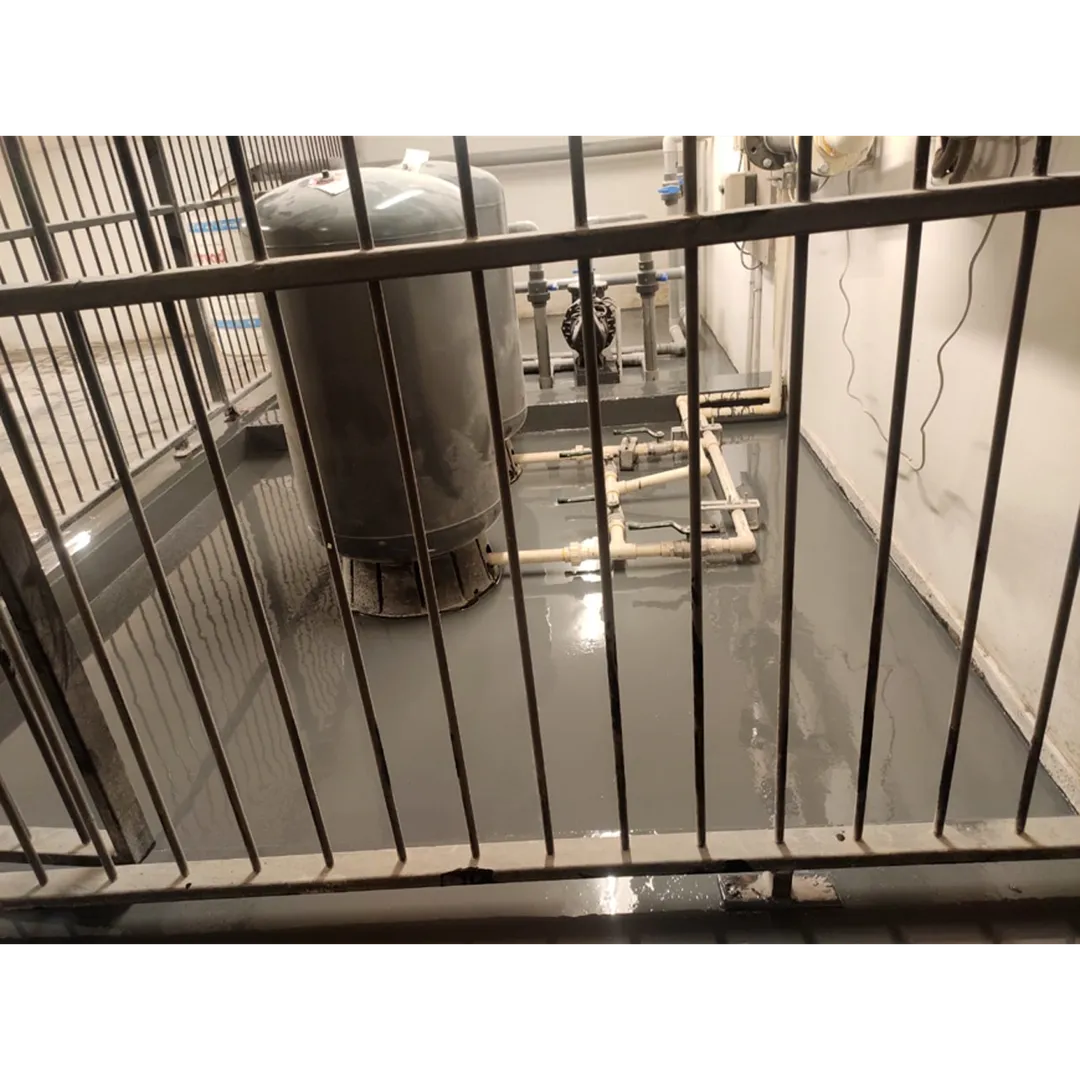
Epoxy flooring is a durable, high-performance flooring option widely used in industrial, commercial, and residential settings. It involves applying multiple layers of epoxy resin to a concrete substrate to create a smooth, strong, and aesthetically pleasing surface.
Here are detailed aspects of epoxy flooring:
🔹 What Is Epoxy Flooring?
Epoxy flooring is made by mixing a resin and a hardener to form a rigid plastic material. This material bonds strongly to substrates, especially concrete.
🔹 Types of Epoxy Flooring
- Self-Leveling Epoxy
- Used over old or new concrete.
- Creates a smooth, level surface.
- Common in commercial and residential garages, kitchens, and warehouses.
- Epoxy Mortar Flooring
- Made from 100% solid epoxies and graded or quartz sand.
- Extremely durable—ideal for heavy industry.
- Quartz-Filled Epoxy
- Includes a mix of epoxy resin and colored quartz grains.
- Highly decorative and slip-resistant.
- Anti-Static Epoxy Flooring (ESD Flooring)
- Prevents electrostatic discharge.
- Used in electronics manufacturing, labs, and clean rooms.
- Epoxy Flake Flooring
- Decorative flakes added to the epoxy for texture and color.
- Used in commercial settings and garages.
🔹 Advantages
- Durability: Resistant to wear, chemicals, and heavy traffic.
- Easy to Clean: Seamless and non-porous.
- Chemical Resistance: Ideal for industrial and lab settings.
- Aesthetic Options: Available in many colors and finishes.
- Slip Resistance: Can be enhanced with additives.
🔹 Disadvantages
- Surface Preparation: Requires a clean and well-prepared surface.
- Curing Time: Takes time to fully cure (from 24 hours to 7 days).
- UV Sensitivity: Can yellow under UV light unless treated.
- Hard to Repair: Cracks or damage often require professional repair.
🔹 Installation Steps
- Surface Preparation
- Grinding, shot blasting, or acid etching to clean and roughen surface.
- Priming
- Apply primer coat to ensure adhesion.
- Mixing
- Properly mix epoxy resin and hardener.
- Application
- Apply with rollers or squeegees in multiple coats.
- Curing
- Allow time for curing between coats and final finish.
🔹 Typical Applications
- Warehouses & Factories
- Hospitals & Labs
- Garages
- Commercial Kitchens
- Retail Stores
🔹 Maintenance Tips
- Regular sweeping and mopping.
- Avoid acidic or abrasive cleaners.
- Reseal if top coat wears down.
Email : www.bechennai.com, Mobile no : 888 333 33 22.
Keywords