Epoxy flooring :
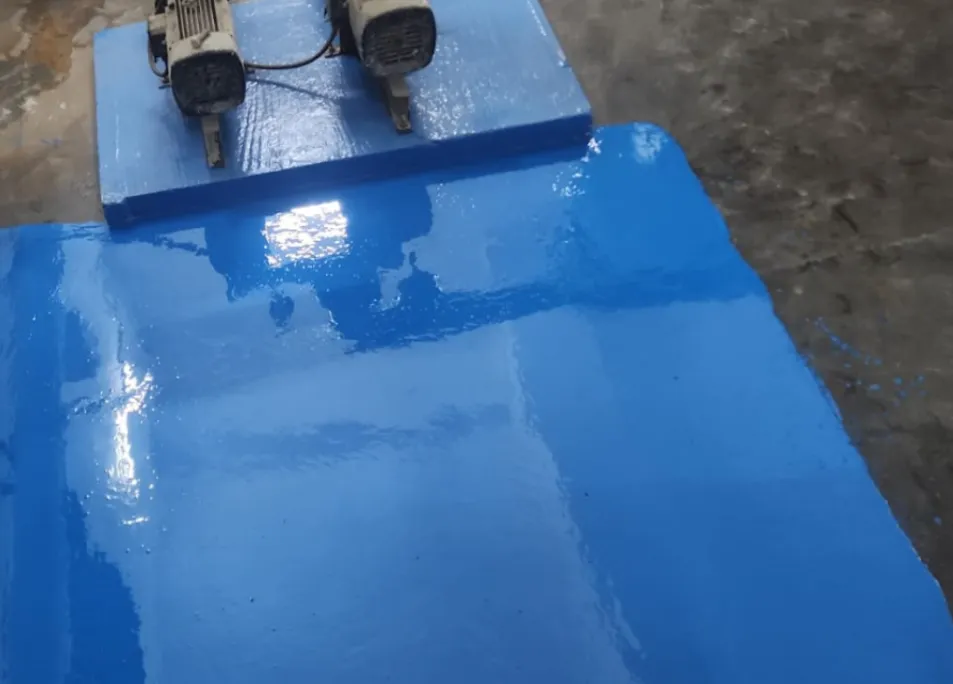
Epoxy flooring is a type of durable, resinous floor coating that’s commonly used in industrial, commercial, and increasingly residential settings. It’s made by mixing epoxy resin with a hardener, creating a tough, plastic-like surface once cured.
🔧 Key Characteristics:
- Durability: Resistant to wear, chemicals, oil, and heat.
- Seamless finish: Provides a smooth, easy-to-clean surface.
- Customization: Available in various colors, finishes (matte, gloss), and effects (e.g., metallic, flake, quartz).
- Adhesion: Bonds well to concrete surfaces.
✅ Pros:
- Long-lasting and low-maintenance
- Highly resistant to impact and abrasion
- Non-porous (resists stains, bacteria, and moisture)
- Slip-resistant options available
- Visually appealing and customizable
❌ Cons:
- Requires professional installation (or careful DIY with proper prep)
- Surface can be slippery without texture or additives
- Can crack or peel if concrete isn't properly prepped
- Not ideal for very moist or unsealed concrete floors
🏠 Common Uses:
- Garages
- Basements
- Warehouses
- Showrooms
- Commercial kitchens
- Hospitals and clean rooms
🧰 Types of Epoxy Flooring:
- Self-Leveling Epoxy – Smooths over cracks/imperfections, often used in commercial and industrial settings.
- Epoxy Mortar – Strongest form, good for heavy-duty industrial environments.
- Quartz Epoxy – Combines epoxy resin with colored quartz for a decorative and anti-slip finish.
- Flake Epoxy – Decorative flakes added for texture and color.
- Metallic Epoxy – Contains metallic pigments for a marbled or 3D effect.
If you're considering epoxy flooring, I can help with:
- Step-by-step DIY installation guide
- Product recommendations
- Cost estimates
- Maintenance tips
Email : www.bechennai.com, Mobile no : 888 333 33 22.
Keywords