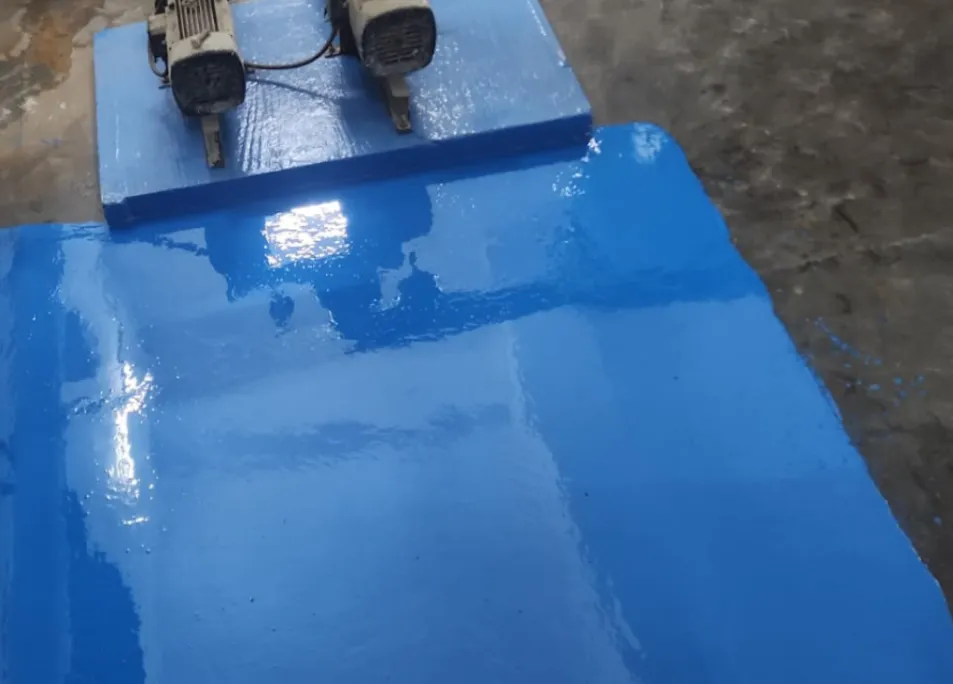
Epoxy flooring :
ypes of Epoxy Flooring
- Self-Leveling Epoxy Floors
- Smooth and seamless.
- Ideal for industrial or commercial applications.
- Applied over old or new concrete.
- Epoxy Mortar Floors
- Made from solid epoxy and quartz or graded sand.
- Very durable – used in heavy industry or warehouses.
- Quartz-Filled Epoxy Floors
- Contains colored quartz grains.
- Attractive and slip-resistant.
- Used in locker rooms, restrooms, and lobbies.
- Anti-Static Epoxy Floors (ESD Epoxy)
- Prevents electrostatic charge buildup.
- Ideal for labs, electronic manufacturing, and clean rooms.
- Epoxy Flake Floors
- Decorated with chips/flakes.
- Aesthetic appeal with slip resistance.
- Used in garages, showrooms, etc.
🔹 Layers of Epoxy Flooring
A typical epoxy flooring system includes:
- Primer Layer
- Improves adhesion to concrete.
- Seals porous surfaces.
- Base Coat (Epoxy Layer)
- Main structural layer providing thickness and protection.
- Decorative Layer (optional)
- Flakes, metallic pigments, or quartz for aesthetics and texture.
- Top Coat (Sealer Layer)
- Provides gloss or matte finish.
- Adds chemical resistance and UV protection.
🔹 Advantages of Epoxy Flooring
- Durability: Resistant to wear, impact, and heavy loads.
- Chemical Resistance: Ideal for industrial and lab environments.
- Aesthetic Variety: Available in many colors and finishes.
- Low Maintenance: Easy to clean; seamless surface resists spills.
- Moisture and Stain Resistant
- Slip-Resistant Options Available
🔹 Disadvantages of Epoxy Flooring
- Slippery When Wet (unless textured)
- Hard Surface: Can be uncomfortable to stand on long-term.
- UV Sensitivity: Can yellow or degrade under sunlight if not UV protected.
- Long Curing Time: May take several days to fully cure.
- Difficult to Remove or Repair
- Surface Prep is Critical: Requires a clean, dry, and etched surface.
🔹 Epoxy Flooring Application Process
- Surface Preparation:
- Clean, repair, and grind the concrete.
- Remove dust, oil, and moisture.
- Priming:
- Apply epoxy primer to seal and bond.
- Mixing Epoxy Resin and Hardener:
- Must be done precisely and quickly due to pot life.
- Application of Base Coat:
- Spread evenly using rollers or squeegees.
- Add Decorative Elements (optional):
- Flakes, quartz, or pigments can be added at this stage.
- Topcoat Application:
- Seal and protect the system with a durable top layer.
🔹 Common Uses
- Industrial Plants & Warehouses
- Garages & Workshops
- Hospitals & Laboratories
- Retail Stores & Showrooms
- Kitchens & Bathrooms
Email : www.bechennai.com, Mobile no : 888 333 33 22.
Keywords