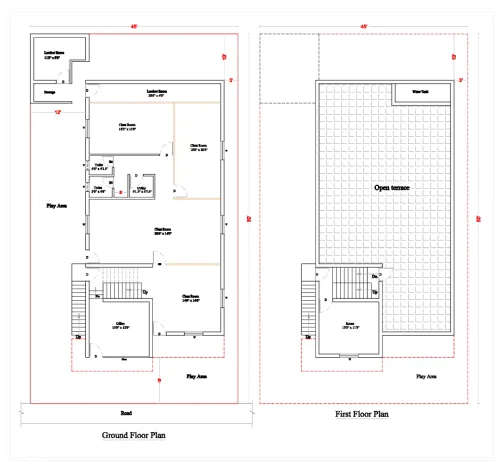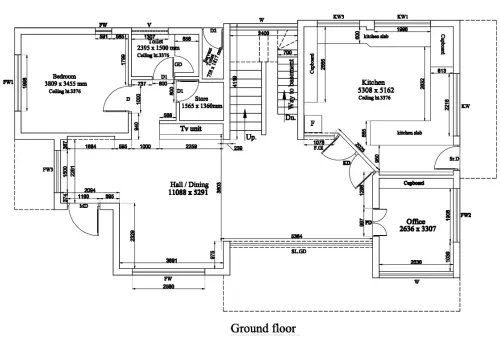
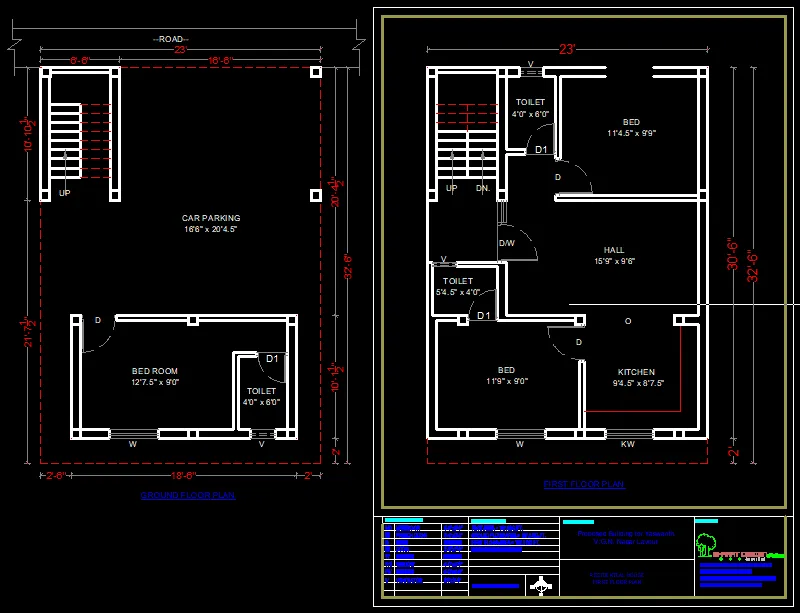
Scheme Plan :
A Scheme Plan typically refers to a detailed layout or design plan that outlines the arrangement, structure, or implementation of a specific project or system. Depending on the context, scheme plans can serve different purposes, and their use can vary across various industries, including construction, urban planning, and business. Below are a few examples of how scheme plans are used in different contexts:
1. Urban Planning & Development:
- Land Use Planning: In urban planning, a scheme plan is used to show the zoning and use of different areas, such as residential, commercial, industrial, and recreational zones.
- Master Plans: A scheme plan is often part of a larger master plan for a city or district, showing infrastructure layouts (roads, utilities, green spaces) and how they will be developed over time.
- Building Regulations: It’s used to ensure compliance with building codes, zoning regulations, and other urban development policies.
2. Architectural and Building Design:
- Floor Plans: Architects use scheme plans for the initial layouts of buildings, such as the placement of walls, windows, doors, and furniture, as well as plumbing and electrical systems.
- Design Proposals: Before the detailed design phase, a scheme plan may be used to present early ideas for buildings or renovations to clients or authorities for approval.
- Landscaping Plans: A scheme plan may outline outdoor spaces like gardens, pathways, driveways, and landscape features.
3. Civil Engineering:
- Infrastructure Projects: Scheme plans are used to design road networks, drainage systems, bridges, and utilities. They help engineers visualize the project and coordinate construction processes.
- Traffic Management: Scheme plans are used to design and plan road layouts, traffic signals, and parking facilities to manage traffic flow and ensure safety.
4. Business & Marketing Plans:
- Project Roadmaps: In business, a scheme plan may refer to a visual representation of project goals, timelines, milestones, and deliverables. It’s used to track progress and guide team members.
- Market Strategies: A scheme plan may be used in marketing to outline promotional campaigns, sales strategies, and target market approaches.
5. Electrical and Mechanical Systems:
- Wiring Diagrams: Electrical engineers use scheme plans to show how electrical wiring and connections should be made in a building, ensuring safety and functionality.
- HVAC System Layouts: For heating, ventilation, and air conditioning (HVAC) systems, a scheme plan can detail how ducts, pipes, and electrical components are integrated into a building.
6. Financial Plans:
- Investment Schemes: In finance, a scheme plan could be a proposed structure or strategy for managing investments, such as a portfolio layout or an asset allocation strategy.
- Budgeting: It can also refer to financial plans that detail income, expenses, and savings for both individuals and organizations.
7. Software Design:
- System Architecture: In software development, a scheme plan could be a diagram or model outlining the architecture of a system, showing how components interact or how data flows.
- Database Schema: In database management, a scheme plan could be a structured representation of the relationships between different data tables, fields, and entities.
Key Benefits of Scheme Plans:
- Visualization: Helps stakeholders and teams visualize and understand the scope and details of a project.
- Coordination: Ensures that all aspects of a project or system are aligned and integrated properly.
- Approval and Compliance: Provides a blueprint for obtaining necessary approvals from authorities and ensuring compliance with regulations.
- Communication: Serves as a communication tool between clients, contractors, engineers, and other professionals.
www.bechennai.com. Mobile no : 888 333 33 22.
Keywords